Jessica Zistatsis Successfully Defends Her Master’s Thesis

Jessica Zistatsis has successfully defended her Master’s Thesis here at the University of Washington, in Dr. Steele’s Ability & Innovation Lab.

To complete her Master’s in full, Jessica will be submitting and disseminating her thesis, A Passive Pediatric Exoskeleton to Improve the Walking Ability of Children with Neuromuscular Disorders.

To begin watching Jessica’s defense, you may view Part 1 on YouTube HERE, or directly below:


A silly congratulations graphic made by the lab depicting the fictional Godzilla stomping through downtown Seattle, while wearing PlayGait, the pediatric exoskeleton Jessica worked on for her masters. Test within the photo reads, "Congrats on destroying your defense, Jessica!"Our lab could not be more proud! To help celebrate her successful defense, the lab drafted a flyer depicting an empowered Godzilla wearing PlayGait, Jessica’s pediatric exoskeleton. Here’s hoping future children will use their newfound superpowers for good, unlike our friend in this picture!


Congratulations Keshia! Nominee for UW Distinguished Staff Awards

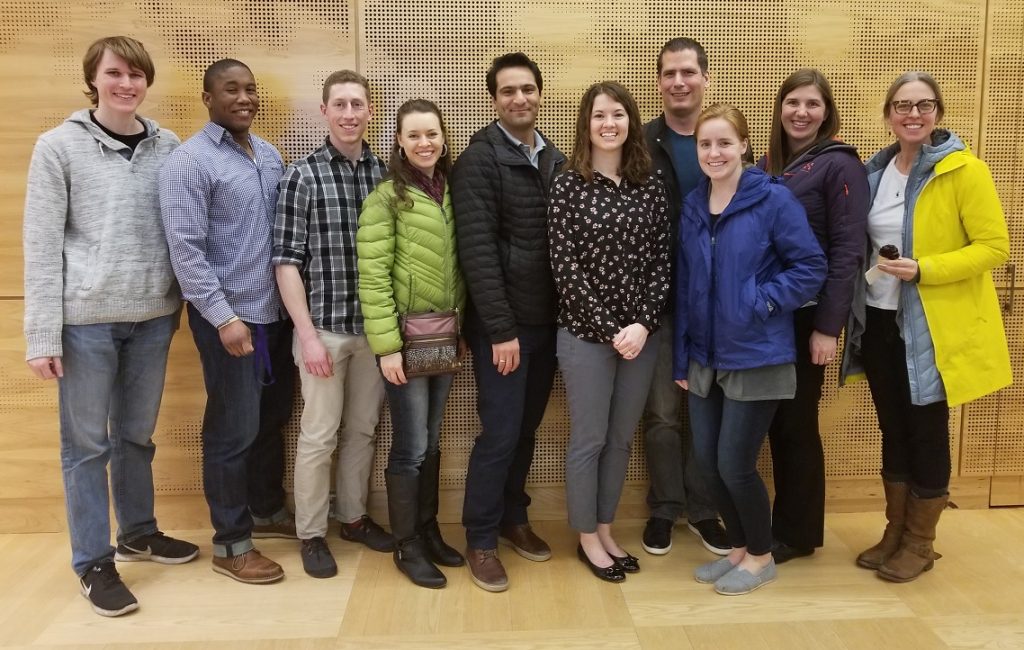
Our team posed around Keshia at the celebration for the nominees.Today we all headed over to the HUB to celebrate one of our awesome research scientists, Keshia Peters.

Keshia was nominated for the University of Washington Distinguished Staff Award – the staff award for the whole university!

While we got to enjoy cupcakes, lemonade, and practice our silent standing wave this celebration honored all nominees. We have to wait a few weeks for the final awardees to be announced. Good luck Keshia and thanks for all you do for the lab!

Dr. Heather Feldner named KL2 Scholar, 2018 Cohort

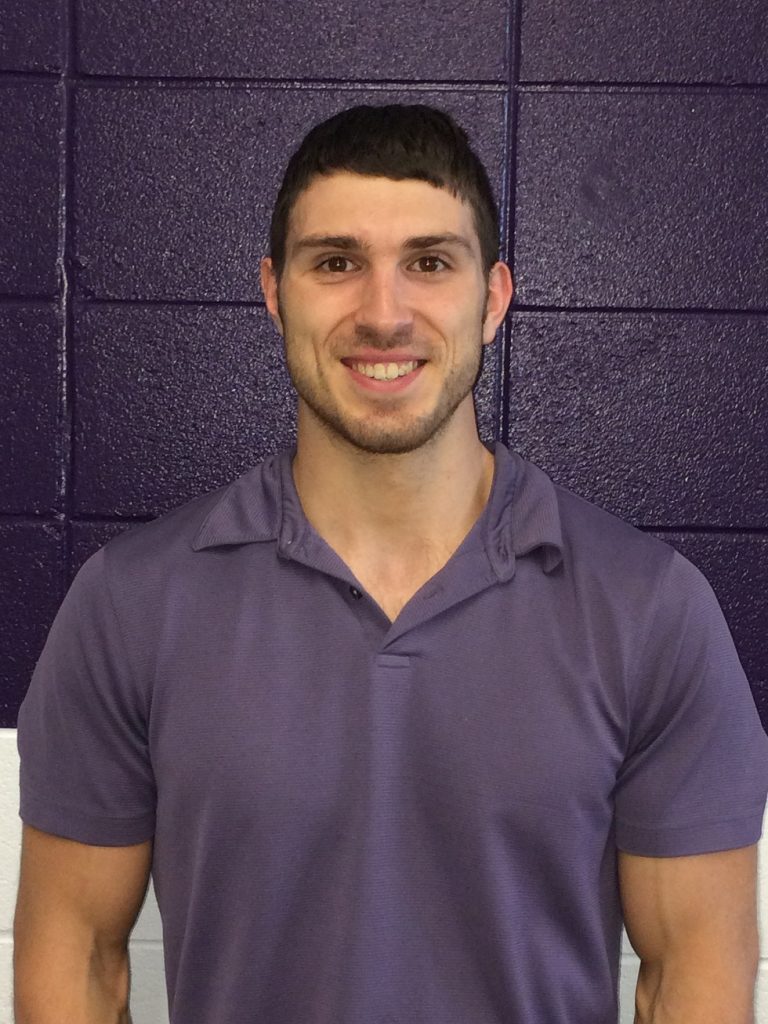
Heather Feldner is pictured in a headshotWe are very proud to announce that Dr. Heather Feldner has been named a KL2 Scholar. Heather is currently a Postdoctoral Fellow in the Ability & Innovation Lab, and has received support through 2021 to pursue one of her missions of improving mobility interventions for young children with movement challenges.

Project Title: Improving translational capacity in early powered mobility intervention: Investigating the socio-emotional impacts of modified ride-on car use by children with disabilities and their families

To learn more, click this link.


AccessEngineering featured on UW College of Engineering’s website

Thanks to AccessEngineering and other DO-IT programs, I don’t feel like I’m pursuing my education alone, or that I have to figure out how to overcome obstacles that others don’t have to by myself.

AccessEngineering, an interdisciplinary universal design program co-led by Dr. Kat Steele at the University of Washington, was featured on the College of Engineering’s news webpage.

Since it’s launch in 2014, AccessEngineering has sought to champion the development of a diverse, well-prepared workforce of engineering graduates and university faculty. One of the key ways that this program seeks to promote this agenda is by increasing general participation of individuals with disabilities in engineering. AccessEngineering also aims to promote their core goals by improving engineering education. The primary means by which this group seeks to enrich the curriculum is by integrating disability-related and universal design content into engineering courses.

Dr. Kat Steele coordinates AccessEngineering at the UW with Dr. Maya Cakmak, an assistant professor in the Paul G. Allen School of Computer Science & Engineering, and Dr. Sheryl Burgstahler, director of UW Access Technology and the DO-IT Center.

To read about AccessEngineering program as posted on College of Engineering website, follow this LINK, or visit the program’s website.

Lab members attend the Society of Women Engineers 2017 Conference

Momona Yamagami and Karley Benoff attended the Society of Women Engineers (SWE) 2017 conference in Austin, TX. Momona presented on her work with assessing a flexible electrode for long-term electromyography measurements and placed among the top 10 finalists in the graduate research poster competition for SWE. Congratulations Momona!

Momona Yamagami presents her research during a poster session


Karley said that SWE 17 was an incredible experience filled with opportunities for professional growth and networking. Here are some of her impressions:

“My favorite guest talk was titled “TECHing While Women and with Disability” where five panelists shared their experiences navigating the engineering world with a disability and/or as an advocate for those with disabilities. Dr. Richard Ladner of the University or Washington CSE department (pictured with Karley below) was one of the panelists. His research on accessible technology, especially technology for the blind, deaf, deaf-blind, and hard-of-hearing, was truly inspiring. The panelists’ presentations provided a unique perspective for approaching user-centered design. I hope to use the lessons learned from the panelists, as well as from all of the SWE 17 attendees I met, to better inform the development of my orthosis project this year. By targeting accessibility and user-centered design, I aspire to develop a universal elbow-driven orthosis that will improve function for users with a wide variety of abilities.

The panelist idea is something HuskyADAPT wants to organize for its club members. Since I am an officer in the club, we are currently trying to plan such an event to better inform design teams and members alike about peoples’ experiences living with disabilities. By understanding what each individual needs, we can better design devices and technology to address what the user wants.”

Karley Benoff with one of the panelists Dr. Richard Ladner of the University or Washington CSE department