This past week Michael Rosenberg triumphed over the Mechanical Engineering PhD student qualifying examination. He would like to give special thanks to the entire lab for supporting him on his epic journey. 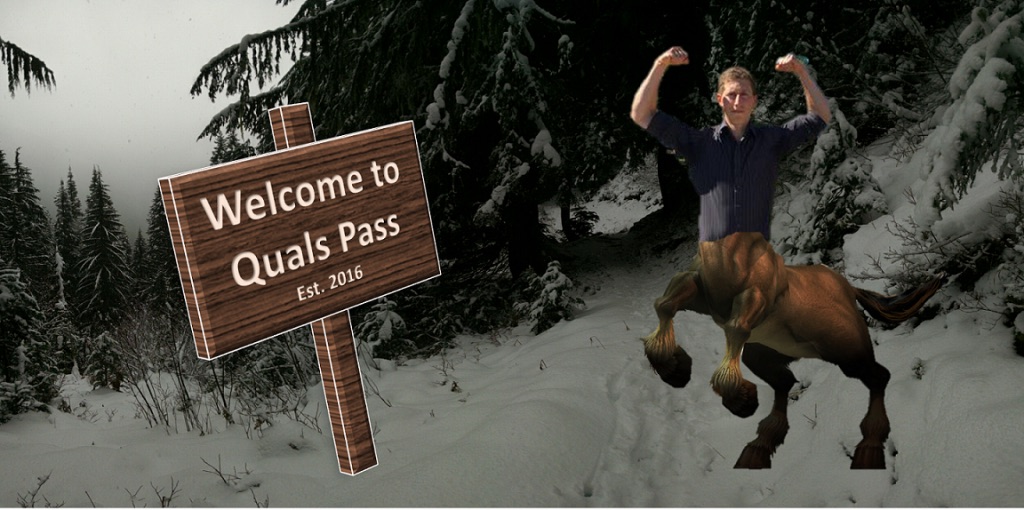
News
Farewell Lunch – Bilge Soran Dives Into Industry
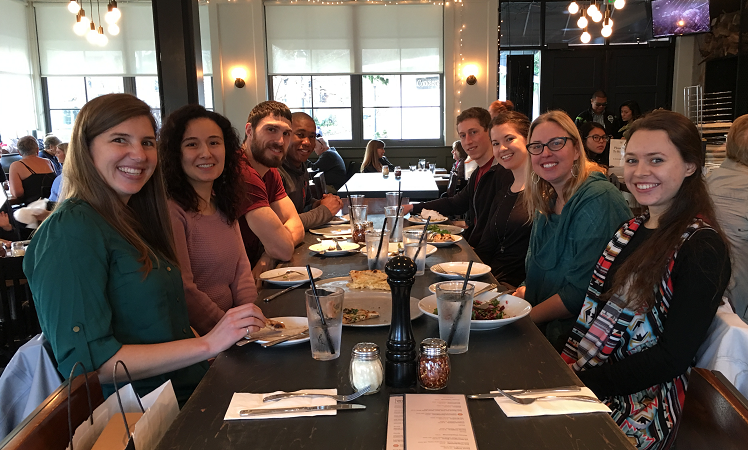
Dr. Bilge Soran will begin her new industry job after working in our lab as a post-doctoral research fellow over the last two years. We are sad to see her go, but are excited to watch her career moving forward. Congratulations and best wishes!
Jessica Zistatsis to Present at UW Medicine – Inventor of the Year Event
Tomorrow a group of esteemed faculty and students will present their work during the UW Inventor of the Year event at the Don James Center, Husky Stadium on November 15, 2016 from 5-7:30 p.m.
Samual Browd, Jonathan Posner, and Per Reinhall will be recognized for their collaborative work inventing and developing a football helmet designed to mitigate the forces thought to contribute to concussions. Jessica will be presenting a poster for her pediatric exoskeleton and competing in a lightning pitch competition.
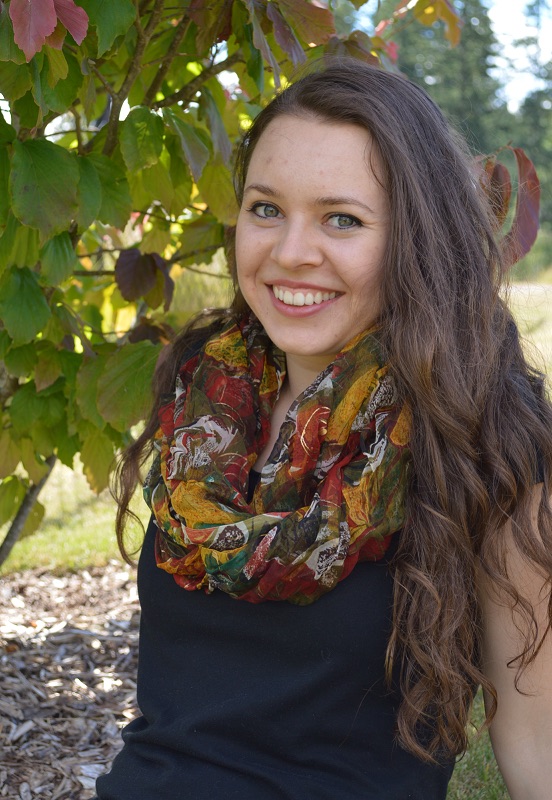
Seattle News Coverage – Quite the buzz!
Our lab’s collaboration with miss Jayna and her family has made quite the buzz within our local news stations! We are very fortunate to work with Jayna and others who are co-designers and partners in the design process, who are dedicated to helping us create devices for not only themselves, but others that will benefit as well.
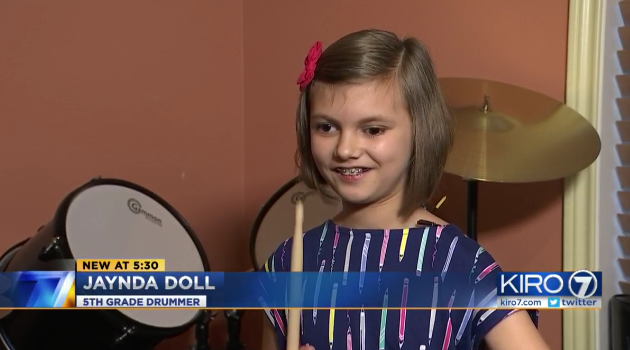
KING5, KOMO, and KIRO news all ran interviews with Jayna, Kat, and Bradley last night. Here are the links, in case you haven’t seen them!
KING5: http://www.king5.com/news/local/3d-printed-device-helps-girl-fulfill-drumming-dream/346454002
King5 also shared a video on their facebook page.
KIRO: http://www.kiro7.com/video?videoId=463374139&videoVersion=1.0
Darrin Howell Joins the Lab!
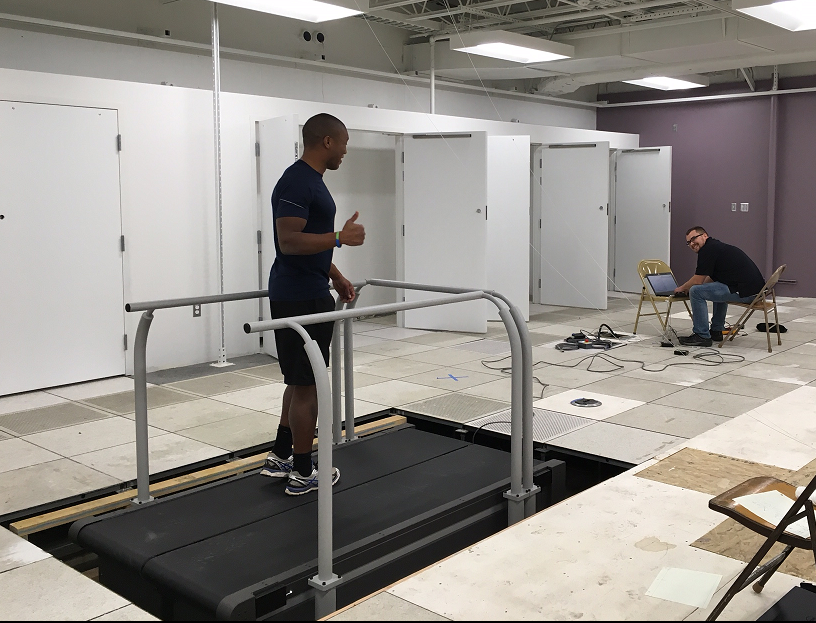
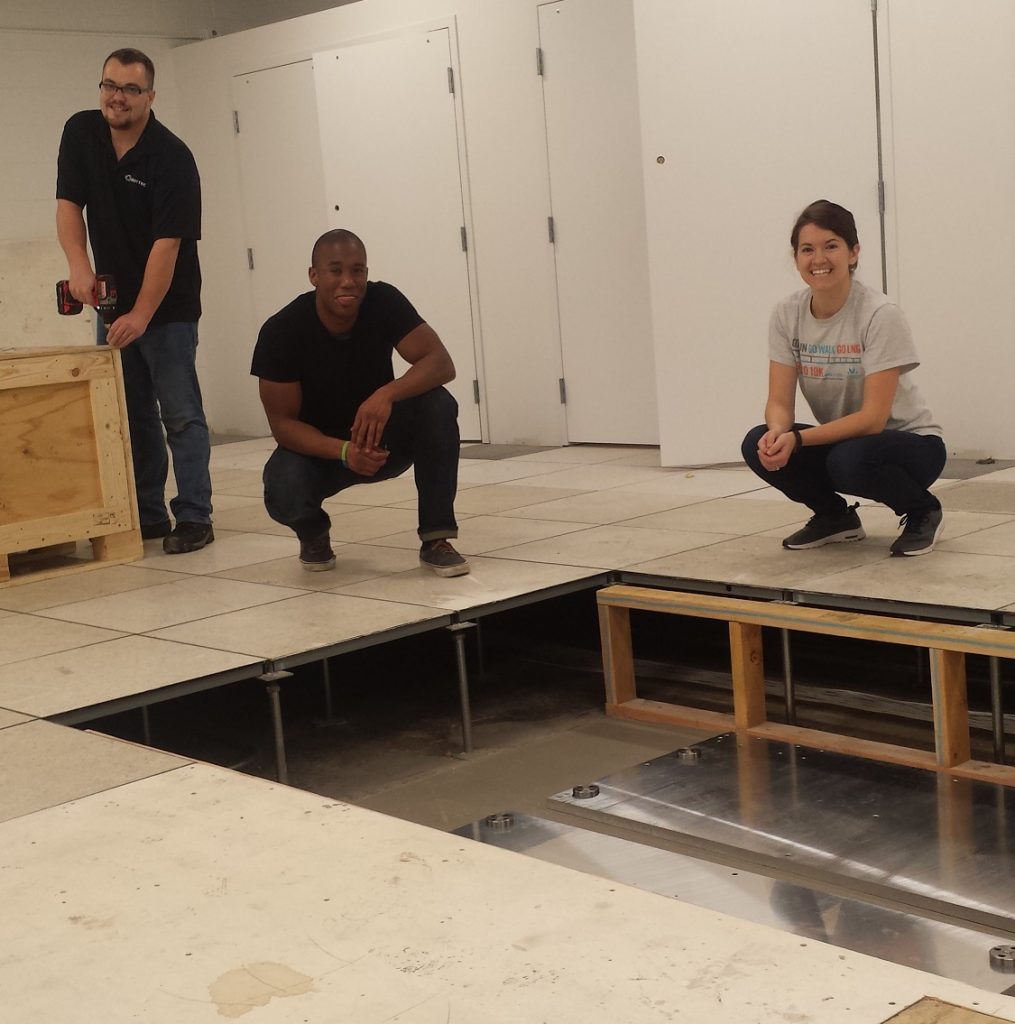
We are very excited to welcome Darrin Howell to our research team. Darrin earned is BS in Neuroscience here at the University of Washington and is now a research scientist within our lab. In addition to the exciting news of our new staff member, Darrin’s first day involved helping install the new AMPLab treadmill. A majority of our lab’s data collections will occur in this new shared space with Electrical Engineering and Rehabilitation Medicine. Welcome, Darrin!